
News Center
Introduction
Wooden carpet tack strips are flooring accessories designed to help secure carpet edges during installation. They provide a practical fixing method for carpet fitting projects in homes and other indoor spaces. For DIY users, flooring installers, and distributors, understanding how carpet tack strips work and what to consider when purchasing them can help ensure a suitable match for different carpet installation requirements.
This guide introduces wooden carpet tack strips, explains their basic installation purpose, and outlines important factors to consider when selecting them for carpet fitting projects.
What Are Wooden Carpet Tack Strips?
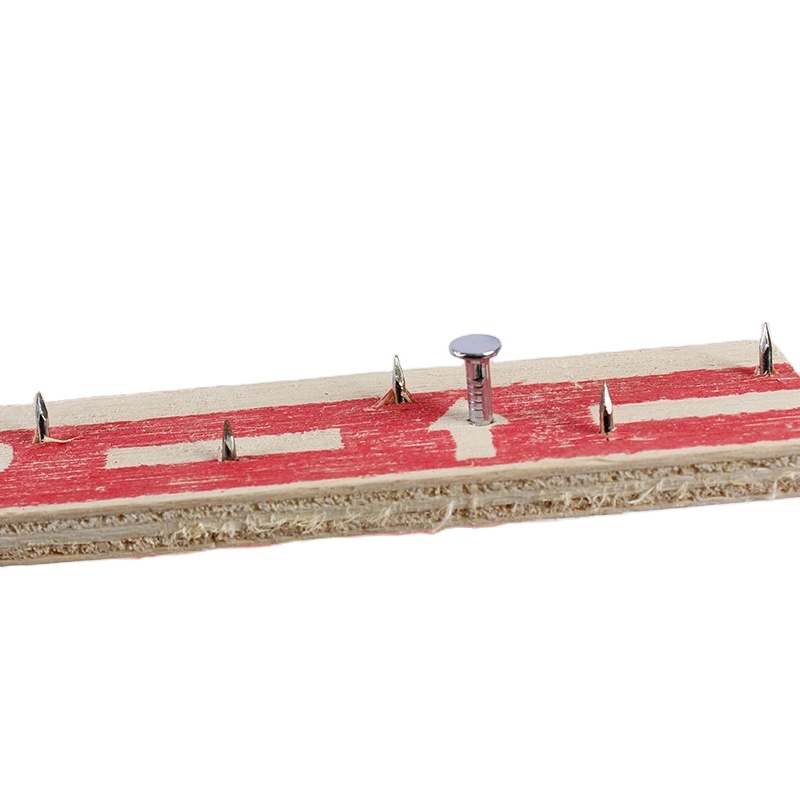
Wooden carpet tack strips are narrow wood strips designed for carpet installation. They are used as part of a carpet gripping system to help hold carpet edges in position.
The wooden construction provides a base for the gripping elements, while the tacks are intended to engage with the carpet backing. Once installed in the appropriate position, the strips help keep carpet edges secured around the flooring area.
A common product format is the 1-inch × 4-foot wooden carpet tack strip. Its elongated shape makes it suitable for arranging along carpet edges and installation areas.
How Do Carpet Tack Strips Work?
Carpet tack strips are generally installed around the perimeter of a room or designated carpeted area.
The basic installation process involves several steps:
Prepare the flooring: Make sure the installation surface is clean and suitable for fixing the tack strips.
Position the strips: Arrange the wooden strips along the intended carpet edges, following the installation requirements.
Secure the strips: Fix them to the appropriate subfloor using suitable installation methods and tools.
Fit the carpet: Stretch and position the carpet so that its backing engages with the gripping elements.
Check the edges: Inspect the carpet perimeter to ensure the carpet is properly positioned and secured.
Installation methods can vary depending on the flooring substrate, carpet construction, and project requirements. Proper placement and secure fixing are important for achieving a suitable result.

Where Can Wooden Carpet Tack Strips Be Used?
Wooden carpet tack strips are primarily associated with carpet installation and flooring projects.
Typical applications include:
Residential flooring: Supporting carpet installation in bedrooms, living rooms, and other suitable indoor spaces.
DIY carpet projects: Providing a practical accessory for homeowners undertaking carpet fitting work.
Flooring installation services: Serving as an installation component for professional carpet fitters.
Carpet renovation: Supporting carpet replacement and refurbishment projects where a suitable tack strip system is required.
The suitability of a particular strip depends on the carpet type, subfloor material, and installation conditions.
What to Consider When Choosing Wooden Carpet Tack Strips
Selecting the right carpet tack strips involves more than checking the product dimensions. Buyers should consider several practical factors.
1. Product Dimensions
The strip dimensions should match the intended installation requirements. A 1-inch × 4-foot format is one available option, but buyers should confirm the actual width and length before ordering.
2. Material
Wood is the main structural material of this product. Buyers should confirm that the material and construction are appropriate for the intended flooring application.
3. Installation Requirements
Different flooring substrates may require different fixing methods. Before purchasing, check whether the tack strips are compatible with the installation surface and the tools available.
4. Application Compatibility
Carpet thickness, backing construction, and installation conditions can influence the suitability of a tack strip. Confirm compatibility before selecting a product for a specific project.
5. Customization and Supply
For wholesale buyers and distributors, customization options and minimum order quantities are also important purchasing considerations. Confirm available graphic customization, packaging arrangements, and sample availability with the supplier.
Why Consider Wooden Carpet Tack Strips for DIY Flooring Projects?
For suitable carpet installation projects, wooden carpet tack strips offer several practical advantages:
Simple product format: Their narrow, elongated design makes them suitable for positioning along carpet edges.
Wooden construction: Provides a wood base for the carpet gripping system.
Practical installation accessory: Supports carpet fitting work in residential and other suitable flooring projects.
Multiple purchasing applications: Can serve DIY users, flooring contractors, and wholesale distributors.
The actual installation result depends on correct product selection, suitable fixing methods, and proper fitting techniques.
What Should Buyers Confirm Before Ordering?
Before placing a bulk order, buyers should verify the following product and supply details:
Buyers should confirm the MOQ unit, actual packaging quantity, and shipping specifications with the supplier before placing an order.
Conclusion
Wooden carpet tack strips are practical flooring accessories for securing carpet edges during suitable carpet installation projects. Their wooden construction and elongated format make them an option for residential flooring, DIY carpet fitting, and professional installation applications.
When sourcing carpet tack strips, buyers should pay attention to product dimensions, material, installation compatibility, customization options, and order requirements. Confirming these details in advance can help distributors, contractors, and DIY suppliers select products that match their intended applications.


Ask For A Quick Quote
If you are looking for more information on our services, or how we could potentially help, we would love to hear from you!